How this works
Most leadership development works downstream, trying to improve performance inside compressed conditions.
We intervene upstream by changing the context in which leaders feel, think, decide, and act.
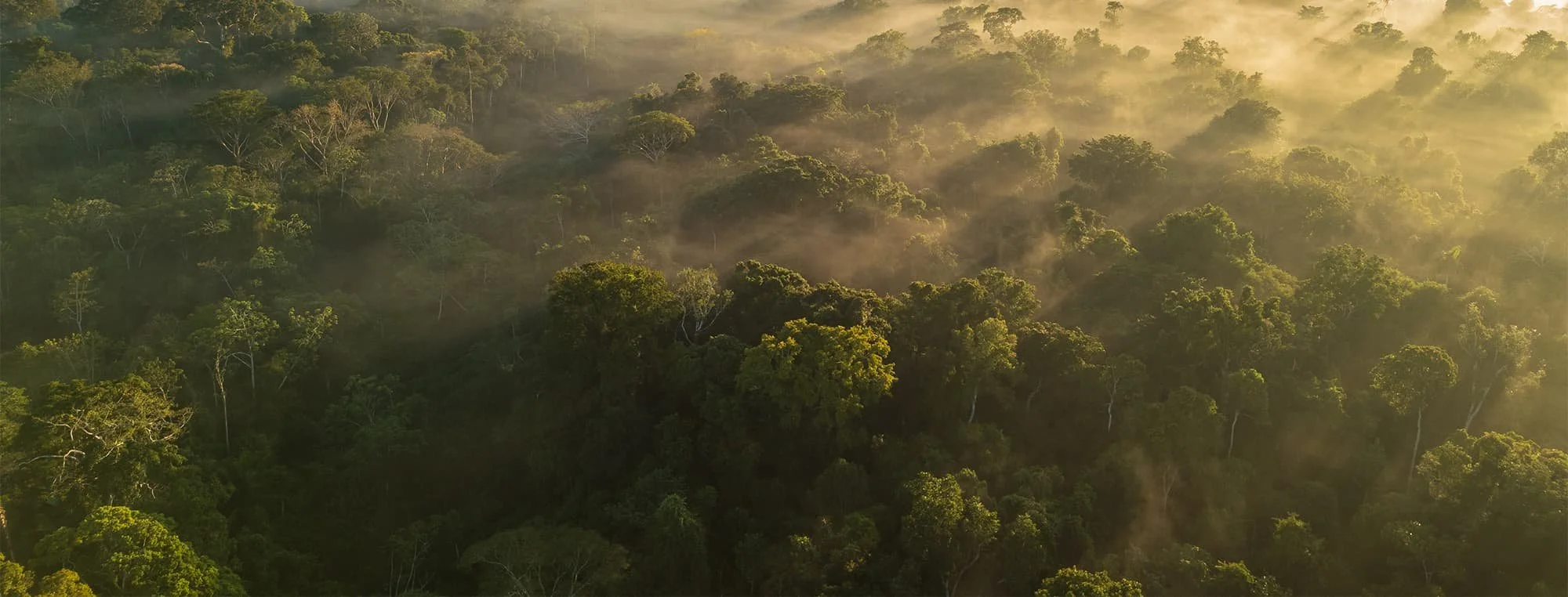
Modern leadership environments compress the field of attention through sustained urgency, digital mediation, and continuous decision pressure. Over time, attention narrows. Perspective contracts. Judgment forms inside constrained conditions.
Field-based leadership development interrupts that environment. In complex, living systems, attention expands and perspective widens. Facilitated reflection and collective sense-making anchor that expanded range so the shift holds.
Adventure, by design
These journeys are carefully designed, without being fully scripted.
They combine:
wild, unfamiliar terrain marked by exceptional biological diversity
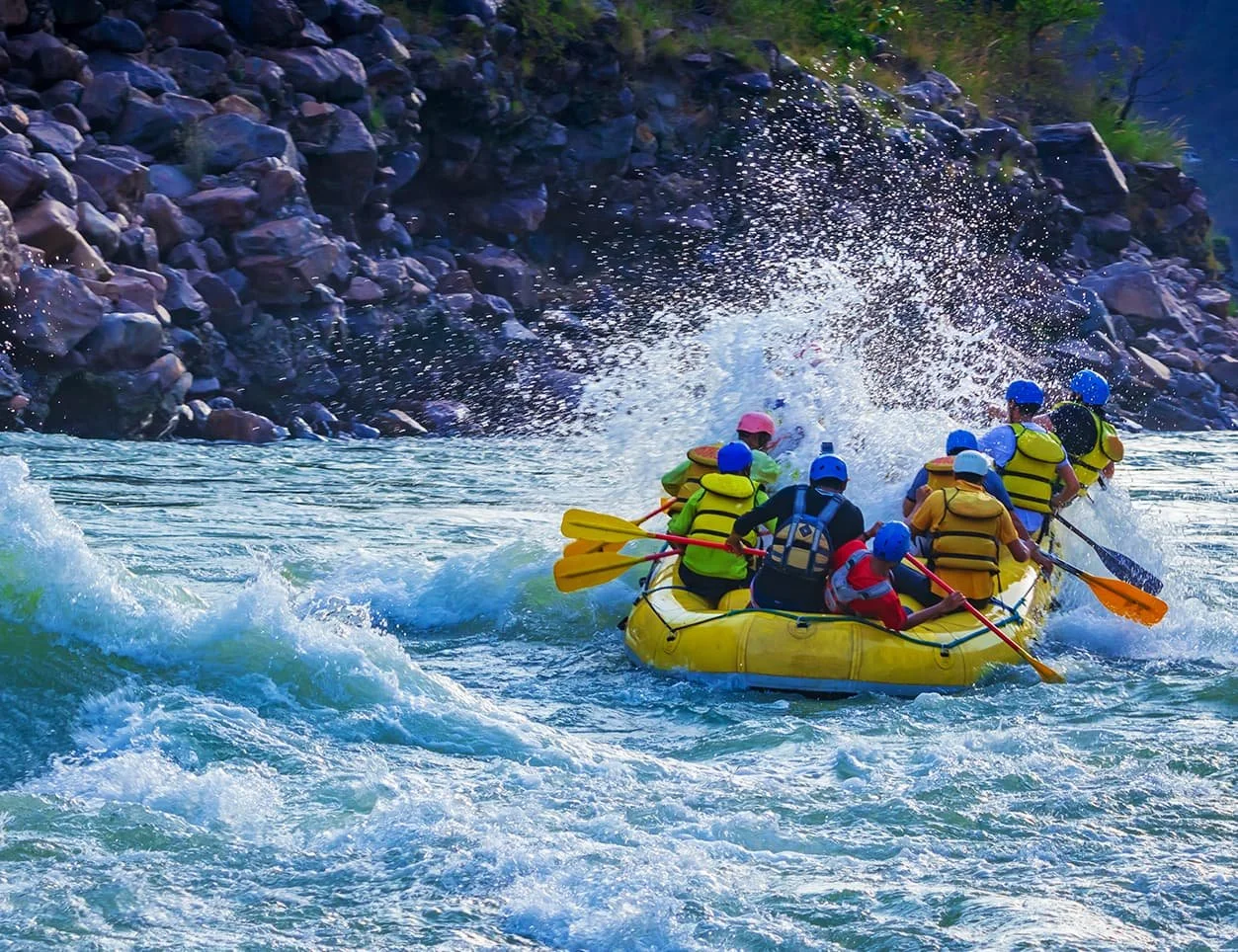
physical challenge requiring sustained effort, with days that place real demands on body and attention
time with people whose lives and work are inseparable from the places they steward
space for reflection, dialogue, and sense-making
The goal is not comfort, spectacle, or intensity for its own sake.



It is aliveness: the kind that sharpens perception, judgment, and decision-making.

Facilitation as craft, not formula
This work is shaped by years of facilitation supporting hundreds of entrepreneurs, executives, and mission-driven organizations.
Across those settings, one pattern repeats: the most consequential insights rarely arrive on cue or on slides. They tend to surface when people are:
back in their bodies
in direct contact with complex, living environments where interdependence is visible and felt
away from constant screens and digital filters, with attention anchored in the physical world
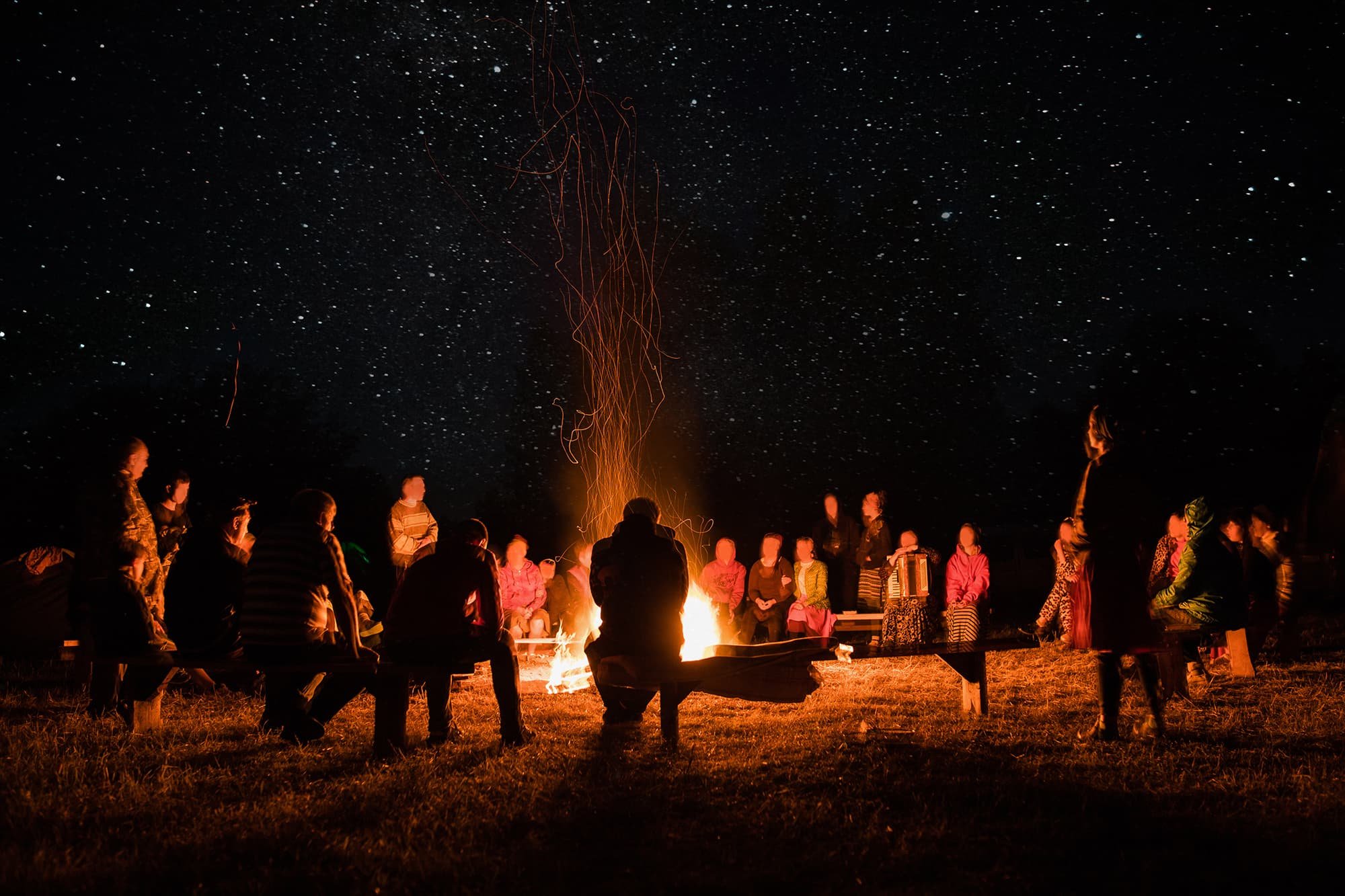
in honest conversation with trusted peers
Our facilitation reflects that reality.
We use structure where it serves the moment, and intuition where structure would get in the way. Frameworks appear when useful, but they are never the point. Attention stays with what is unfolding in the group and across the landscape. We hold space, both during and after the journey, for participants to integrate what emerges into the work they carry.
This is facilitation as craft: responsive, disciplined, and grounded in experience rather than prescription.
Why this works
Decades of research across psychology, neuroscience, and leadership development point to a consistent insight: how we think, decide, and lead is deeply shaped by context.
Complex natural environments engage attention differently than offices or screens. Physical movement and challenge interrupt well-worn cognitive patterns. Experiences of awe — often sparked by vastness, richness, and interdependence — reliably quiet mental noise, widen perspective, and loosen urgency-dominated ways of thinking.
When people step out of constant digital mediation and into living systems, something consistent happens:
attention widens
assumptions surface
trade-offs become easier to perceive
judgment becomes more grounded
This is not about relaxation, inspiration, or stepping away from responsibility. It is about restoring cognitive capacity, including bandwidth, flexibility, and integration, by changing how attention is held.
Insight doesn’t arrive because it is explained. It emerges when conditions support perception, presence, and honest reflection.

Future journeys
We’re designing a small number of journeys each year in different parts of the world.
If you’d like to stay connected as future journeys take shape, you can sign up below to receive occasional updates.
Structure that supports emergence
While these journeys leave room for surprise, each is intentionally shaped to create rhythm and coherence, balancing:
effort and recovery
exploration and reflection
individual experience and collective dialogue
Behind that rhythm is extensive preparation, from route design and local coordination to contingency planning, allowing the journey to unfold as intended and keeping attention where it belongs.
This structure makes depth possible without forcing outcomes or performance.


What tends to shift
When these conditions are present, people tend to return with a different orientation to their work.
Often, that looks like:
the ability to hold long-term stakes amid urgent demands
greater steadiness amid uncertainty
clearer judgment in moments that matter
renewed contact with what gives the work meaning
the capacity to carry responsibility without becoming consumed by it
These shifts aren’t imposed or coached. They happen when perception widens and the nervous system has space to recalibrate.
Perspective, strategy, and decision-making
These journeys are designed as leadership and professional development, not as a retreat.
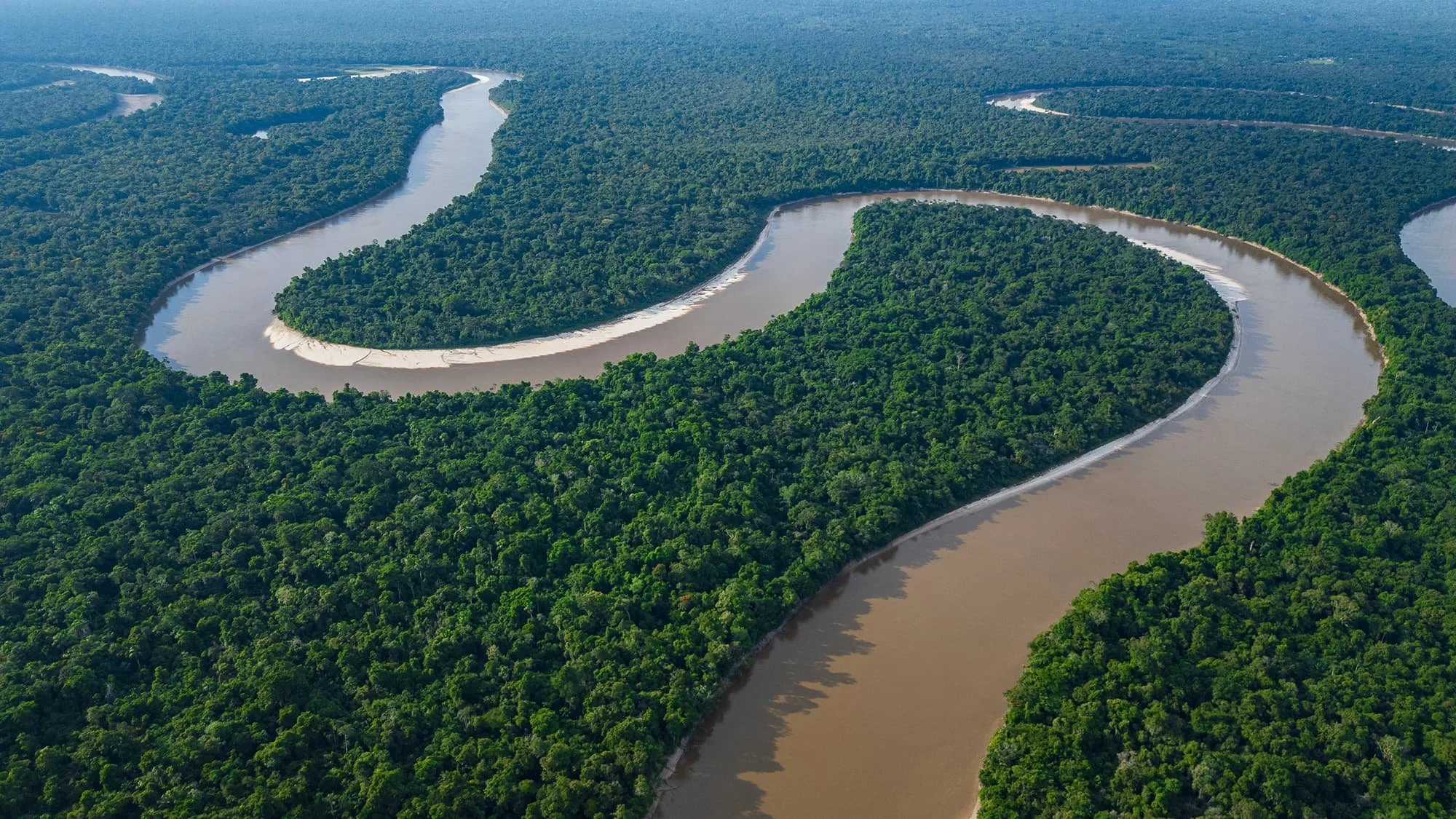
Time spent inside living systems — ecological, cultural, human — restores a sense of scale. In environments where life is dense and interdependent, attention sharpens and assumptions that quietly shape day-to-day decisions become visible.
Facilitation helps participants translate experience into:
clearer strategic questions
more grounded decisions
a sharper sense of direction
The aim is not to produce plans on the trail. It is to return people to their work with better judgment, renewed perspective, and a clearer sense of what matters next for themselves and their work.
Entering through relationship
Access is not something we assemble quickly.
The places we go and the people we spend time with are made possible through long-standing relationships with conservation leaders, Indigenous communities, local guides, and partners who have spent years, often decades, stewarding land and culture under real pressure.
We move as guests.
With humility, reciprocity, and respect.
These relationships shape not only where we go, but the depth and honesty of what becomes possible.

Responsibility to people and place
Access carries responsibility.
We design these journeys with care to:
avoid extractive or performative encounters
ensure partners are respected, fairly compensated, and engaged on their own terms
leave places and relationships stronger, not depleted
We choose not to go everywhere we could.
We move more slowly than we might otherwise, in order to go deeper.
This restraint is part of the work.

Why this matters
Much of today’s consequential work unfolds under pressure, at speed, and often at a distance from the lives and landscapes it shapes. Urgency is constant. Decisions carry real weight. Over time, abstraction and mediation can compress how the world is felt.
These journeys help close that gap — not by offering answers, but by restoring presence, perspective, and contact with a wider world that is fully alive.
When adventure is held with care, it becomes more than an experience. It becomes a turning point in how people return to responsibility.
Private journeys
We design and host private journeys for individuals and groups, close to home and around the world, drawing on a trusted network of partners.
These are developed selectively and held to the same standards of care, facilitation, and responsibility as our open-cohort journeys.
If this is something you’re curious about, we invite you to get in touch.